
Top 5 Myths About AI Problem Solving Debunked
Understanding AI Problem Solving
Artificial Intelligence (AI) has quickly become a cornerstone of modern innovation, yet many misconceptions persist about its problem-solving capabilities. In this article, we aim to debunk the top five myths surrounding AI and its role in solving complex issues.

Myth 1: AI Can Solve Any Problem
One of the most common myths is that AI can tackle any problem thrown its way. While AI is incredibly powerful, it's not a panacea. AI systems are designed to handle specific tasks and require vast amounts of data to function effectively. Problems lacking clear data or requiring human intuition may not be well-suited for AI solutions.
Myth 2: AI Functions Independently
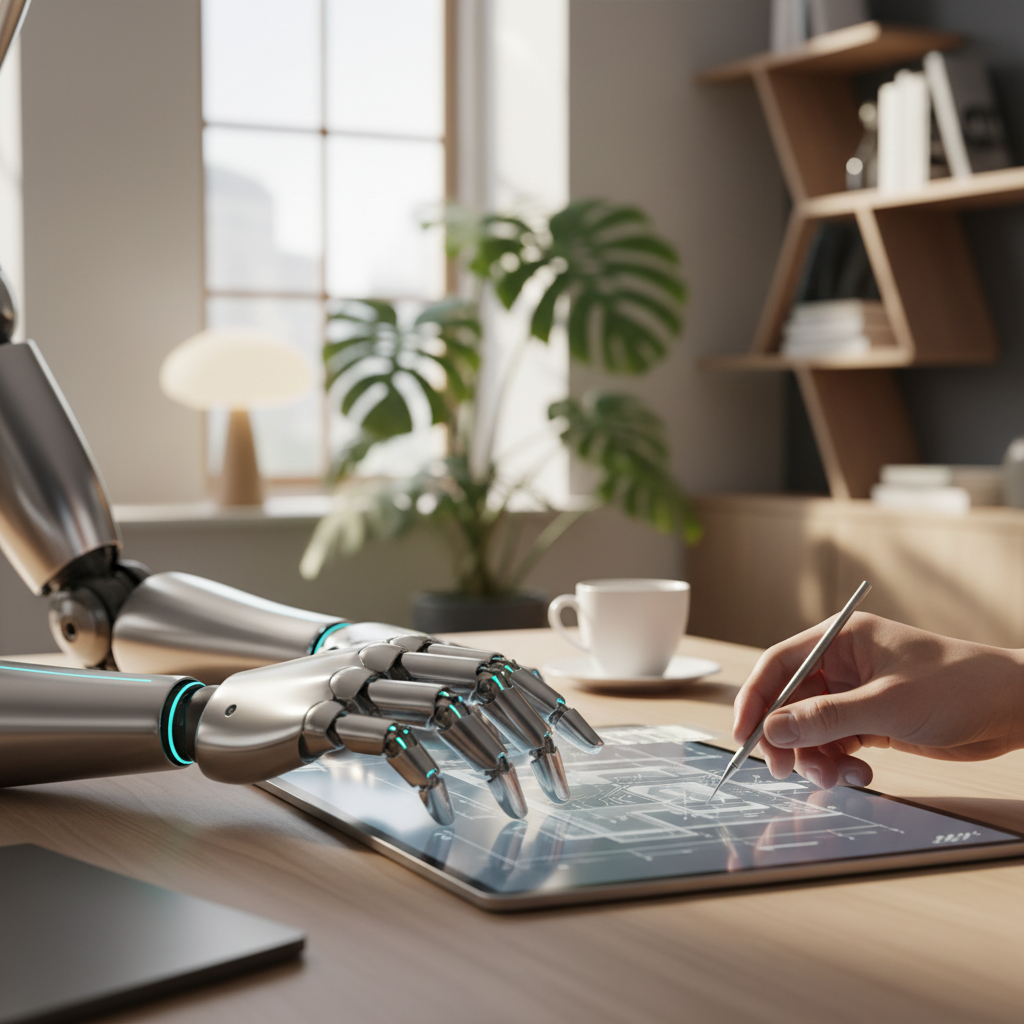
Another misconception is that AI can operate entirely on its own. In reality, AI systems require human oversight and intervention. They are tools that enhance human capabilities, not replace them. Successful AI implementation often involves collaboration between technology and human expertise.
Myth 3: AI Is Always Objective
Many believe AI systems are inherently unbiased. However, AI is only as objective as the data it is trained on. Biases in data can lead to biased outcomes, making it crucial to ensure diverse and representative datasets. Regular audits and updates to AI systems are necessary to maintain fairness and accuracy.
Myth 4: AI Is Infallible
AI is a powerful tool, but it is not infallible. Errors can occur due to algorithmic limitations or flawed data. It's essential to maintain a robust error-checking process and continuously refine AI models to minimize mistakes. Understanding the limitations of AI helps in setting realistic expectations.

Myth 5: AI Will Replace Human Jobs
There is a widespread fear that AI will lead to massive job losses. While AI can automate repetitive tasks, it also creates new opportunities in various fields. Many industries are witnessing a shift where AI handles mundane tasks, allowing humans to focus on more strategic and creative roles.
By addressing these myths, we can foster a more informed understanding of AI's capabilities and limitations. As AI continues to evolve, embracing its potential while acknowledging its constraints will be crucial for harnessing its power responsibly.