
The Future of AI Solutions: Trends and Innovations to Watch
Artificial Intelligence (AI) has become a cornerstone of modern technology, driving innovation across various sectors. As we look to the future, it's clear that AI will continue to evolve, offering new solutions and transforming the way we live and work. In this post, we'll explore some of the most exciting trends and innovations in AI that are set to reshape the landscape.
Enhanced Machine Learning Algorithms
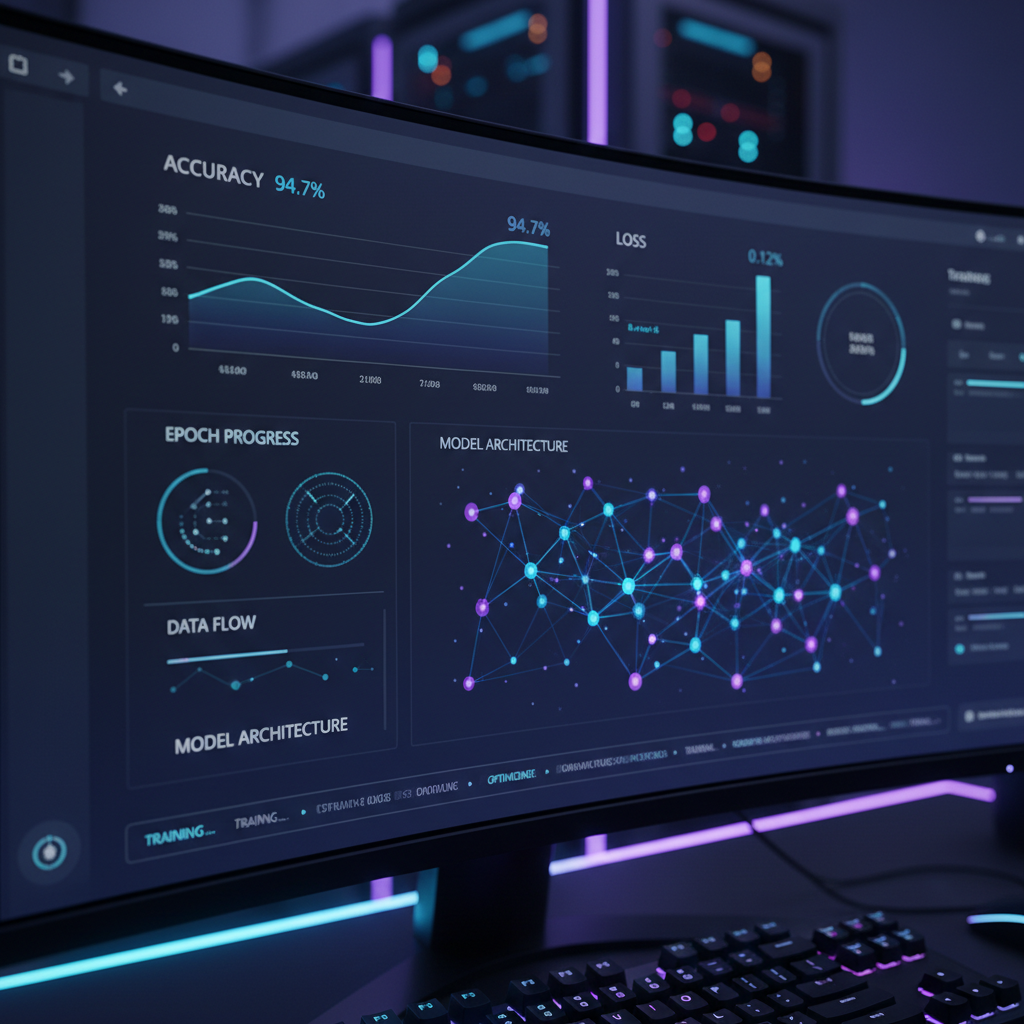
Machine learning, a subset of AI, is rapidly advancing with more sophisticated algorithms. These enhancements are improving the ability of machines to learn from data and make decisions with minimal human intervention. Techniques such as reinforcement learning and deep learning are at the forefront, enabling AI to solve complex problems more efficiently.
One significant trend is the development of explainable AI, which focuses on making AI decision-making processes more transparent and understandable to humans. This is crucial for building trust and ensuring ethical AI deployment.
AI in Healthcare
The healthcare sector is witnessing remarkable transformations due to AI innovations. From predictive analytics to personalized medicine, AI is enhancing patient care and operational efficiency. AI-powered tools are being used for early diagnosis, treatment planning, and even robotic surgery, promising higher precision and better patient outcomes.
Another exciting area is the use of AI in drug discovery. By analyzing vast datasets, AI can identify potential drug candidates much faster than traditional methods, accelerating the development of new treatments.

Autonomous Vehicles
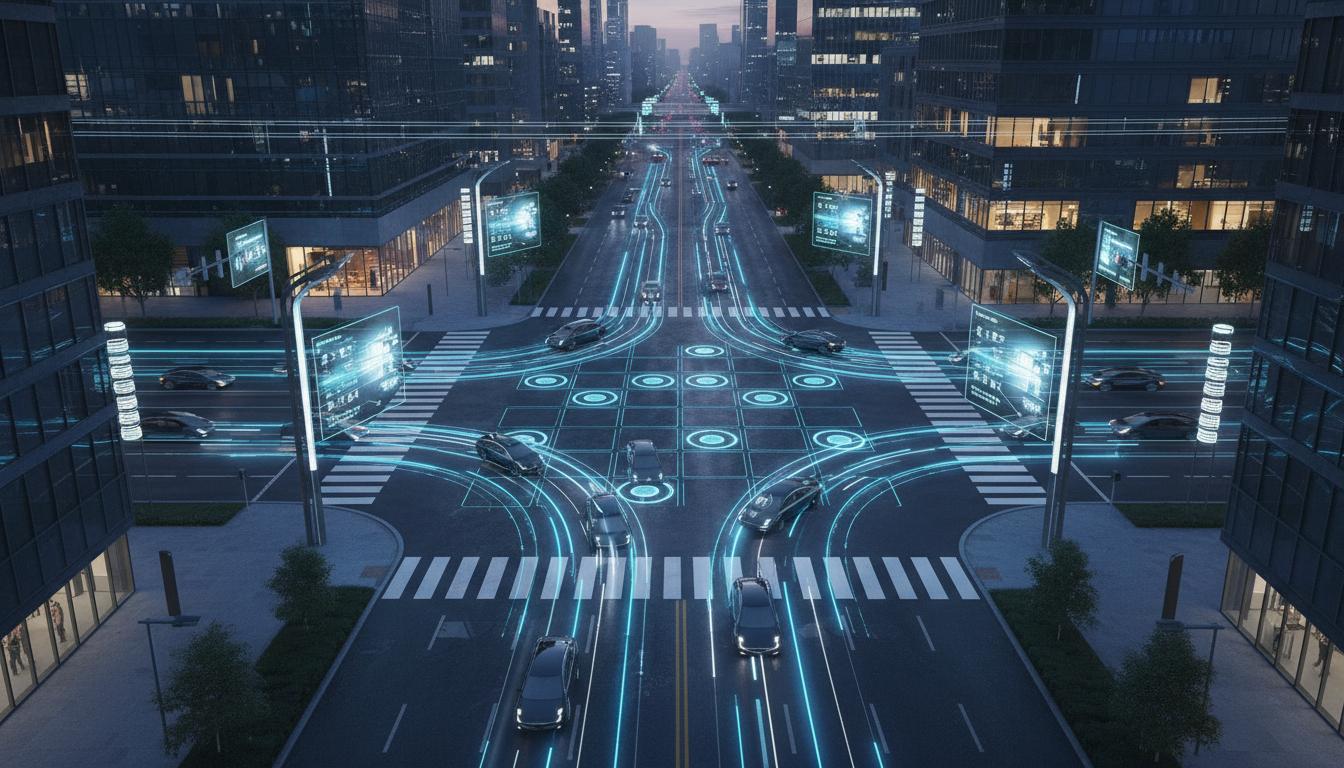
Autonomous vehicles are another area where AI is making significant strides. Companies are investing heavily in developing self-driving technology, which promises to revolutionize transportation by improving safety and reducing traffic congestion.
AI systems in these vehicles rely on a combination of sensors, cameras, and advanced algorithms to navigate and make real-time decisions. As technology progresses, we can expect to see broader adoption and more advanced autonomous solutions on the road.

AI and the Internet of Things (IoT)
The integration of AI with the Internet of Things (IoT) is creating smart environments that enhance efficiency and convenience. AI can analyze data from IoT devices to optimize processes, predict maintenance needs, and improve energy management.
This synergy is particularly evident in smart cities, where AI and IoT collaborate to manage resources, monitor infrastructure, and enhance urban living conditions.
AI Ethics and Regulation
As AI technologies become more prevalent, ethical considerations and regulatory frameworks are increasingly important. Issues such as data privacy, bias, and job displacement need careful attention to ensure that AI is developed and deployed responsibly.
Governments and organizations worldwide are working to establish guidelines and standards to address these concerns, fostering an environment where AI can thrive while respecting human rights and societal values.
In conclusion, the future of AI is filled with potential and promise. By staying informed about these trends and innovations, businesses and individuals alike can prepare for a world where AI plays an integral role in shaping our future.