
AI in Research and Development: Pioneering New Possibilities
The Role of AI in Research and Development
Artificial Intelligence (AI) is revolutionizing research and development (R&D) across various industries. By automating complex processes and offering unprecedented insights, AI is paving the way for groundbreaking discoveries and innovations. Organizations are leveraging AI to enhance their capabilities, streamline operations, and explore new frontiers.
In the realm of R&D, AI's ability to process and analyze large datasets in real-time is invaluable. This capability allows researchers to draw conclusions faster than ever before, accelerating the pace of innovation. Furthermore, AI-driven tools can identify patterns and correlations that might be overlooked by human researchers.

Enhancing Drug Discovery
One of the most promising applications of AI in R&D is in the pharmaceutical industry. AI algorithms can analyze complex biological datasets, predict how different compounds will interact, and identify potential drug candidates. This not only reduces the time and cost associated with drug development but also increases the chances of success.
For example, AI can simulate thousands of potential drug interactions in a fraction of the time it would take using traditional methods. This capability is crucial in the fight against diseases, allowing researchers to quickly adapt to emerging health threats and develop effective treatments.
Optimizing Manufacturing Processes
AI is also transforming manufacturing by optimizing production processes. Through predictive maintenance and quality control, AI systems can anticipate equipment failures and suggest improvements. This results in reduced downtime and enhanced efficiency.
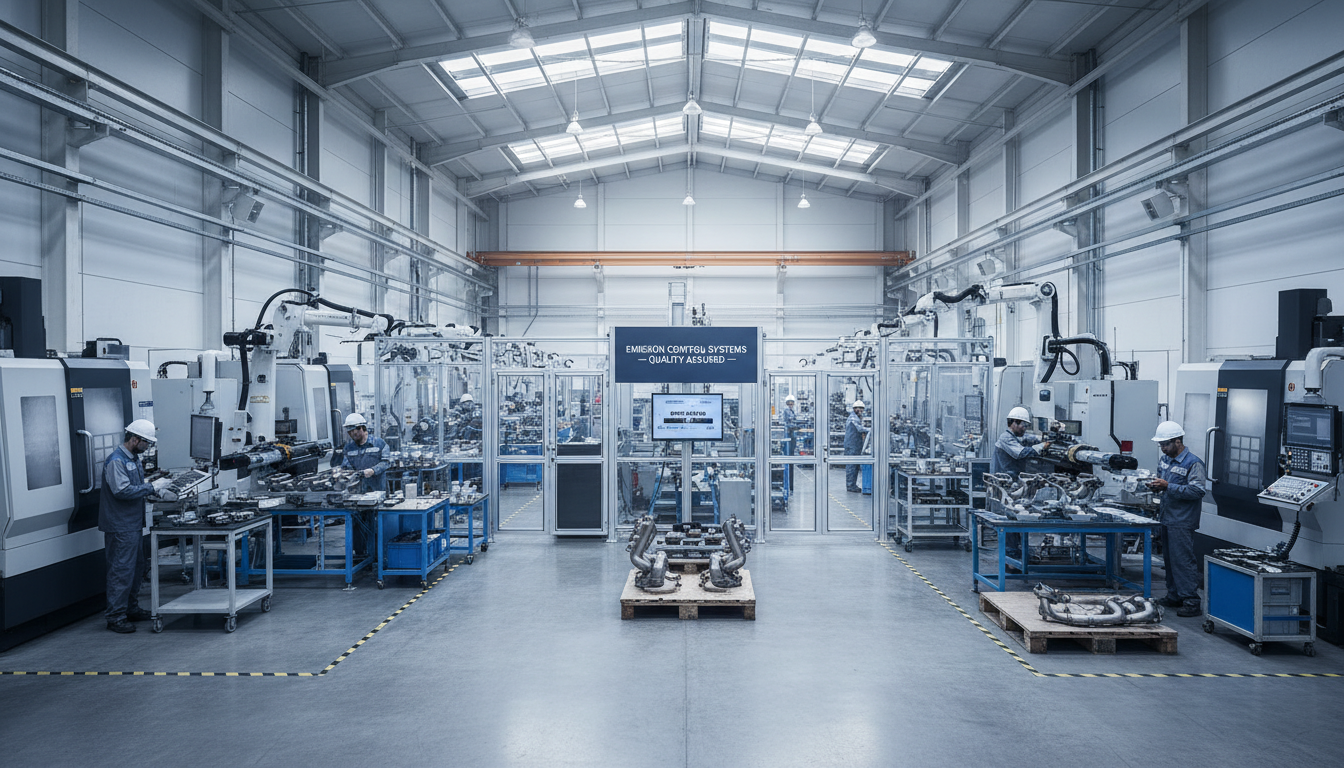
By analyzing production data, AI can identify bottlenecks and recommend process adjustments. This not only improves product quality but also reduces waste, making manufacturing more sustainable and cost-effective.
Driving Innovation in Materials Science
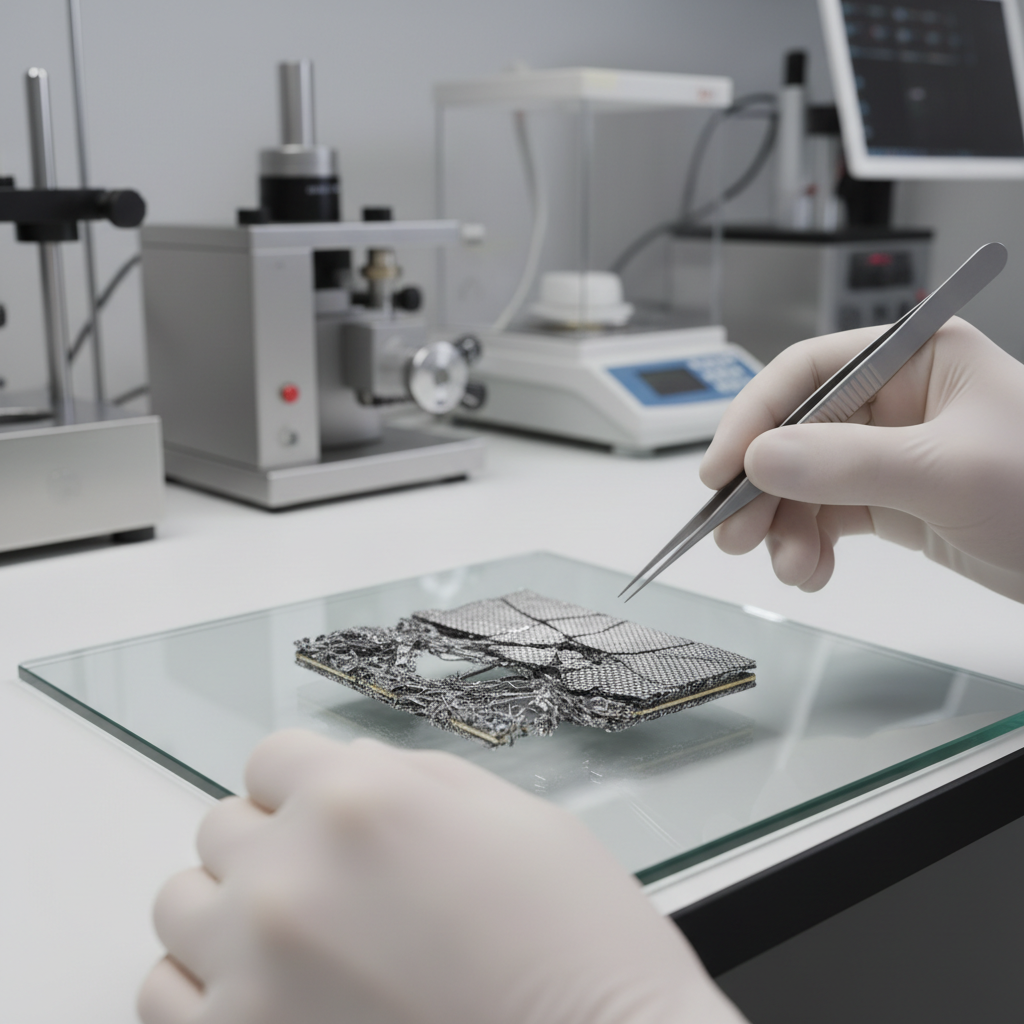
In materials science, AI is helping researchers discover new materials with unique properties. By simulating molecular interactions, AI can predict how materials will behave under different conditions, enabling the development of stronger, lighter, and more durable materials.
These advancements have significant implications for industries such as aerospace, automotive, and construction, where materials innovation is key to developing safer and more efficient products.
Transforming Environmental Research
AI is also being used to address pressing environmental challenges. By analyzing satellite data, AI can monitor deforestation, track wildlife populations, and predict weather patterns. This information is crucial for developing strategies to combat climate change and preserve biodiversity.
Moreover, AI-driven models can simulate the impact of human activities on ecosystems, providing valuable insights for policymakers and conservationists working to protect our planet.
The Future of AI in R&D
As AI technology continues to evolve, its role in R&D will only grow more significant. The integration of AI with other emerging technologies, such as quantum computing and the Internet of Things (IoT), holds the potential to unlock even more possibilities.
Organizations that embrace AI-driven R&D will be at the forefront of innovation, driving progress across various fields and contributing to a more sustainable and technologically advanced future.